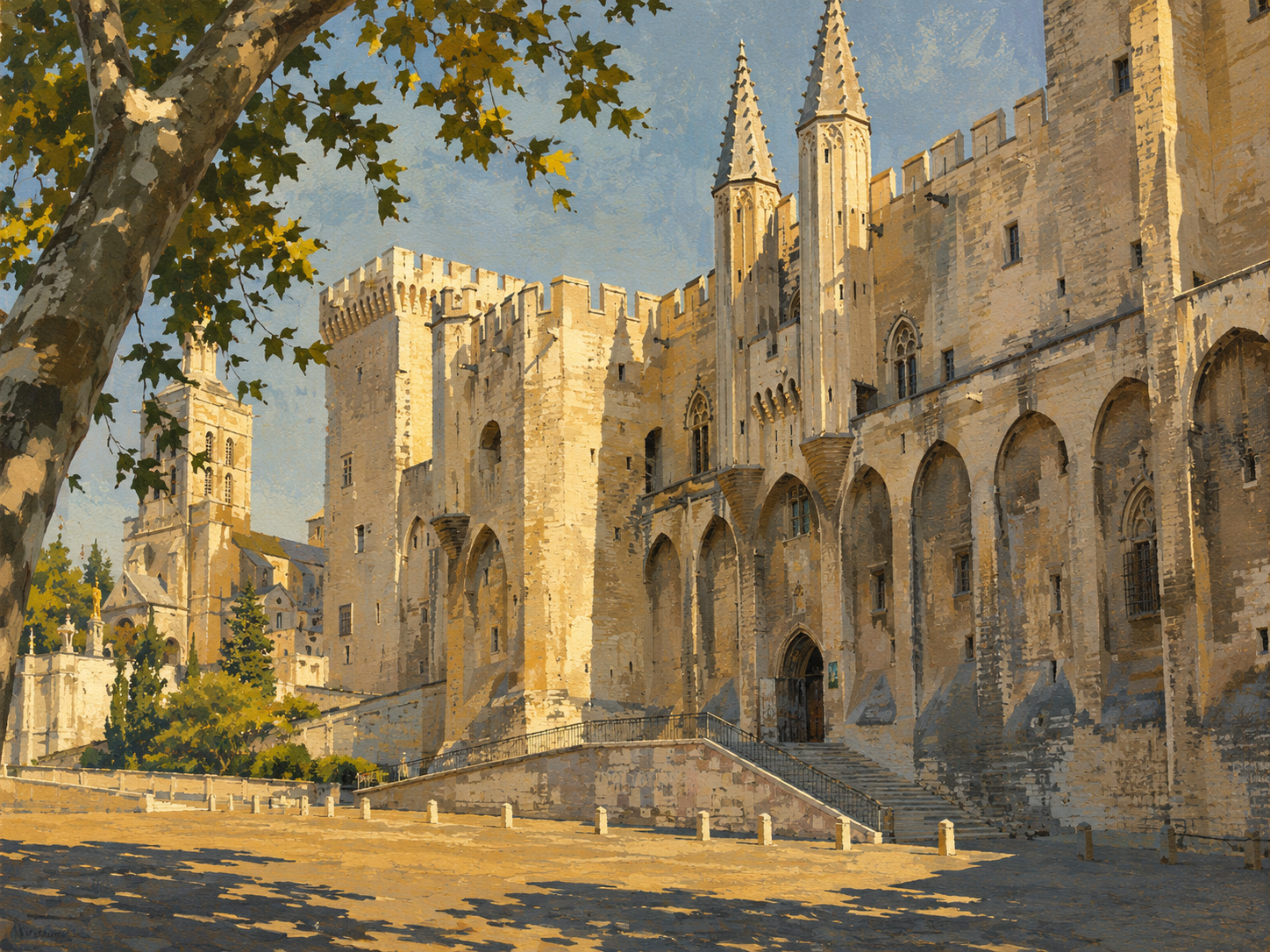
Golden Echoes of the Papal Stone
Critique
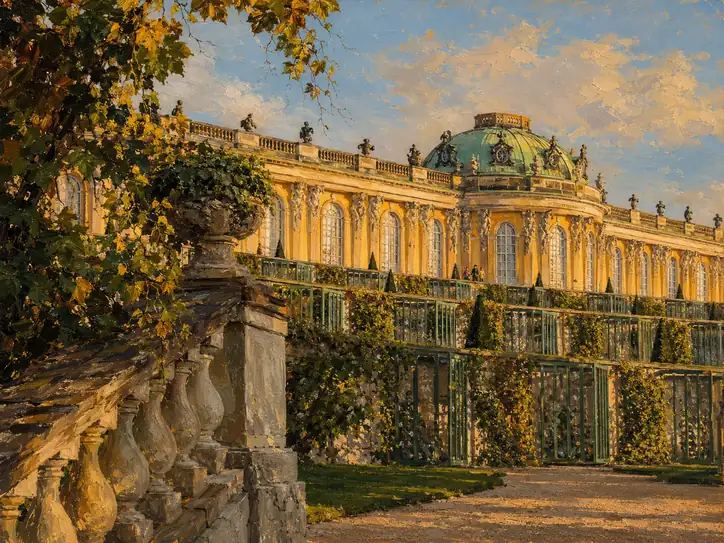
1. Introduction This landscape painting depicts a monumental stone palace that exudes the grandeur of medieval history. The work masterfully captures the heavy volume of the Gothic architecture, enlivened by the warm, transformative light of late afternoon. It presents a scene of quiet solemnity, where the enduring character of stone-built heritage is celebrated through a sophisticated interplay of light and shadow. 2. Description The composition is dominated by a massive fortress-like palace featuring soaring spires, rhythmic arches, and formidable masonry. On the left, a large deciduous tree frames the view, casting intricate shadows across the expansive stone courtyard in the foreground. In the background, additional towers and ecclesiastical structures rise against a pale, clear sky. The low-angled sunlight bathes the entire facade in a rich golden hue, highlighting the weathered textures and complex geometric details of the ancient walls. 3. Analysis The artist utilizes a warm, cohesive color palette primarily composed of ochre, tan, and cream tones for the stonework. This dominance is effectively balanced by the subtle greens of the foliage and the soft cerulean of the sky. The lighting is the most critical analytical element; the direct sun creates a high-contrast environment that defines the three-dimensional form of the palace, while the long shadows on the ground provide a rhythmic structure to the spatial arrangement. 4. Interpretation and Evaluation This work succeeds in elevating a well-known architectural landmark into a poetic study of permanence and light. The diagonal perspective of the palace facade creates a dynamic visual flow, while the inclusion of the tree adds an organic counterpoint to the rigid stone structures. Technically, the artist demonstrates remarkable skill in depicting the varied surfaces of the masonry, using precise brushwork to convey both the strength of the fortress and the delicacy of its Gothic ornamentation. 5. Conclusion The painting offers more than just a representation of a building; it provides an immersive meditation on the passage of time. While the initial impression is one of architectural might, the nuanced treatment of the golden-hour light invites a deeper reflection on the atmospheric beauty of historical sites. It is a masterful achievement that combines technical rigor with a profound sense of place and atmosphere.
Same Subcategory
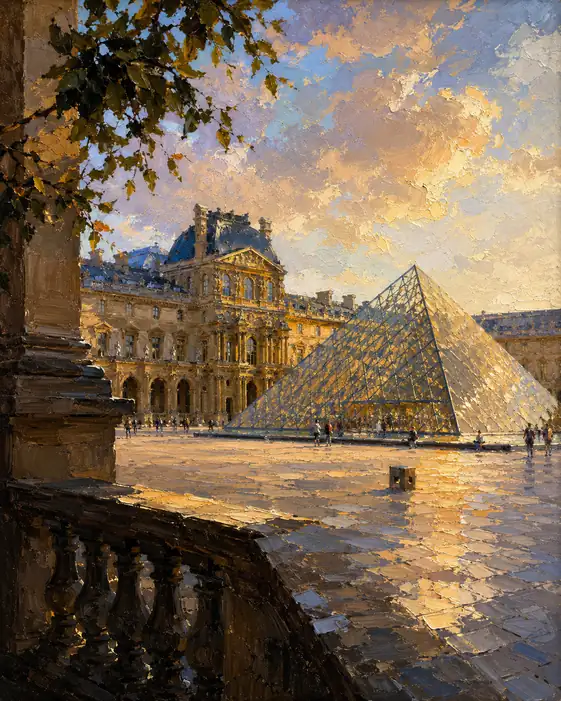 Intersection of Ages at the Golden Court
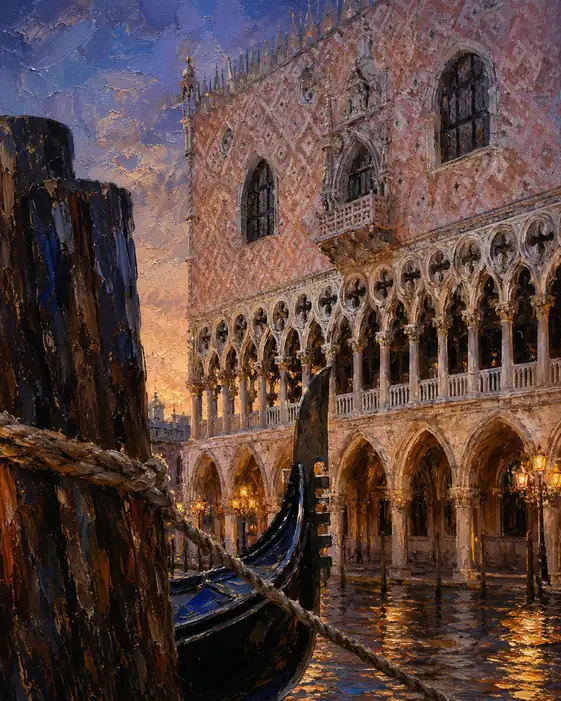 A Golden Promise on the Venetian Tide
Similar Artworks
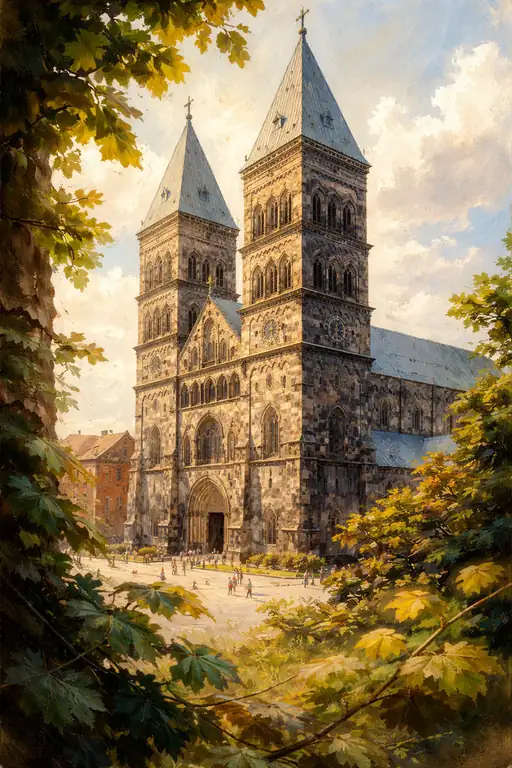 Shadows of Devotion Under the Canopy
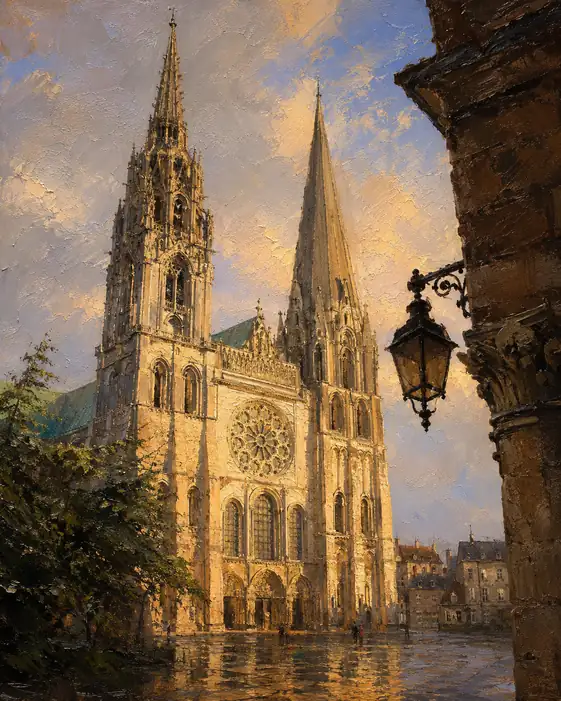 A Prayer in Stone and Light
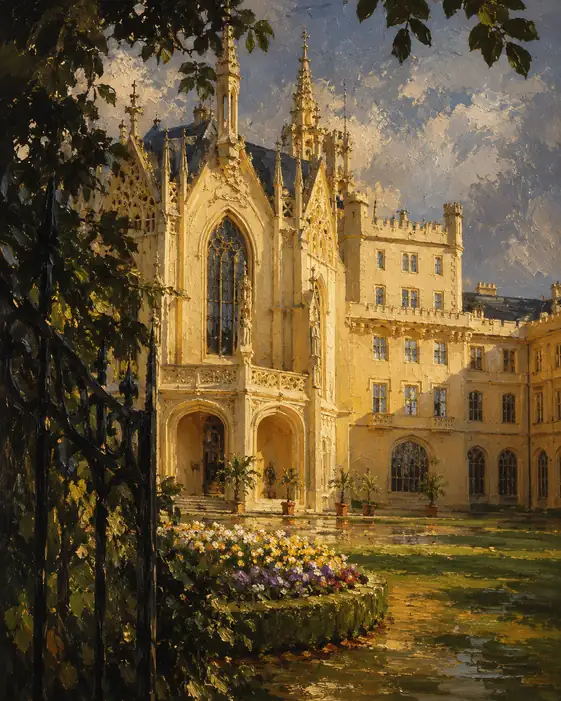 Gothic Radiance: The Breathing Light of Lednice
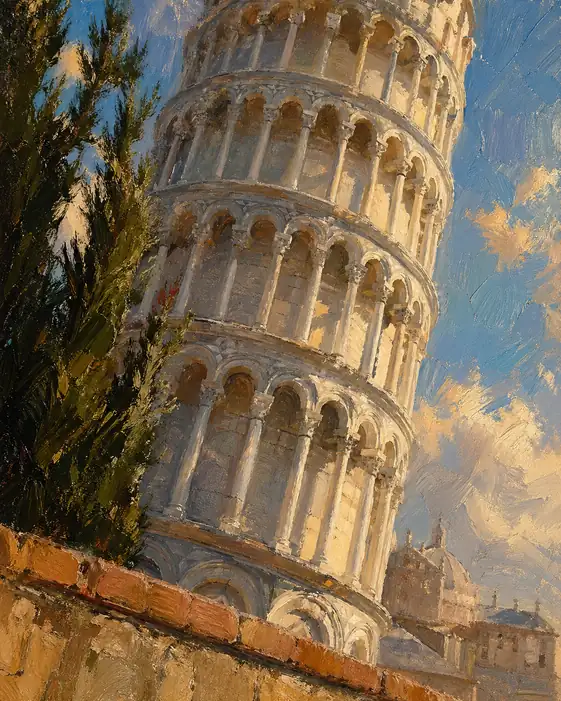 Endurance in the Golden Light
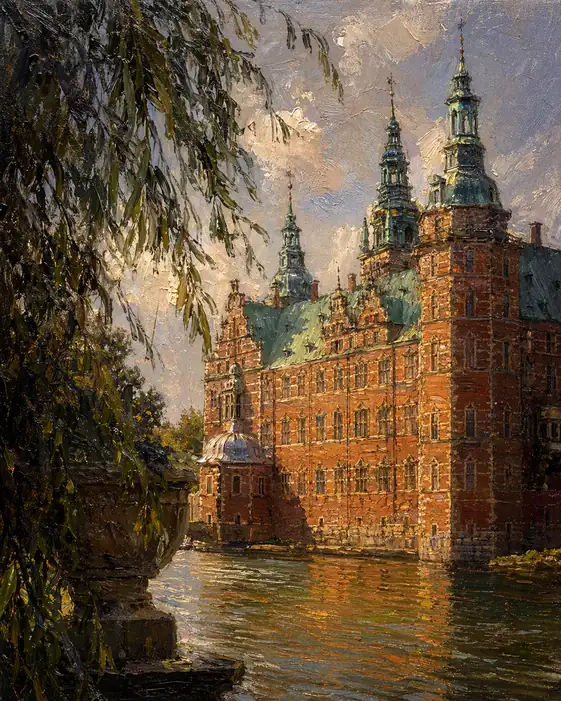 Echoes of the Fiery Palace
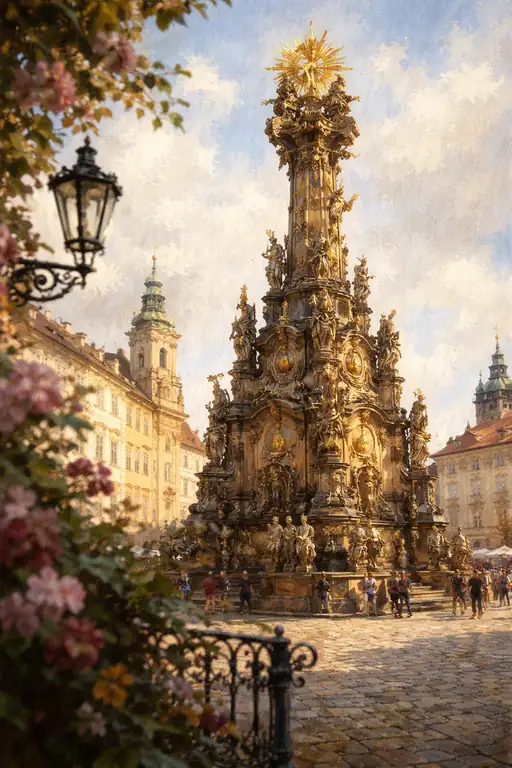 Baroque Whispers in the Sunlit Square
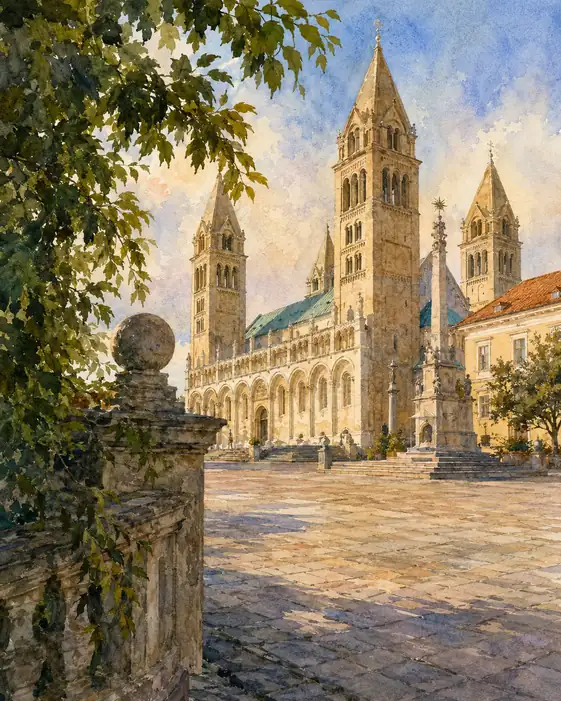 Golden Silence of the Cathedral Square
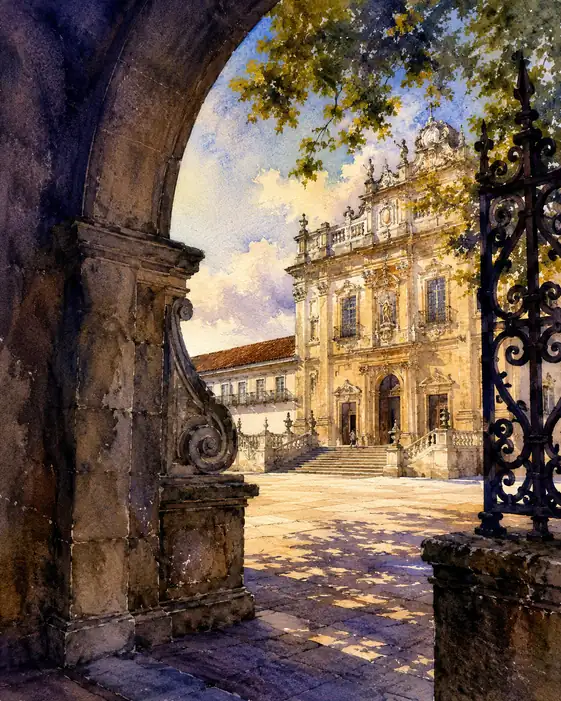 The Arch of Timeless Afternoon
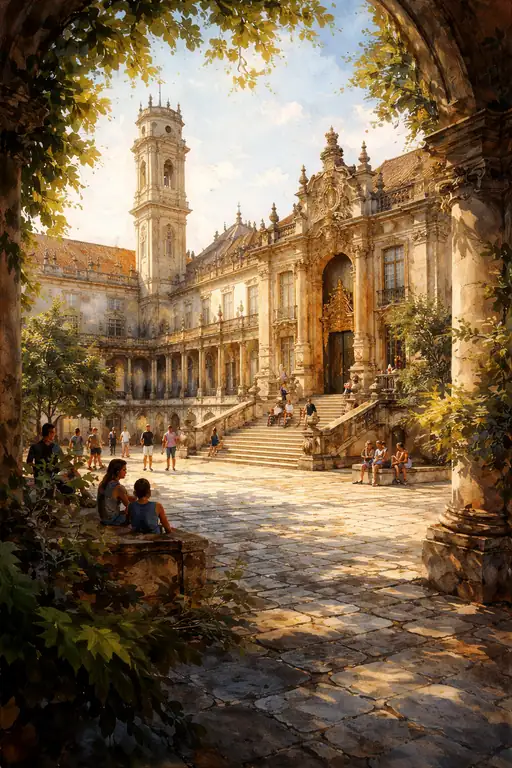 A Gathering of Souls in the Sun's Embrace
 The Golden Dream of a King