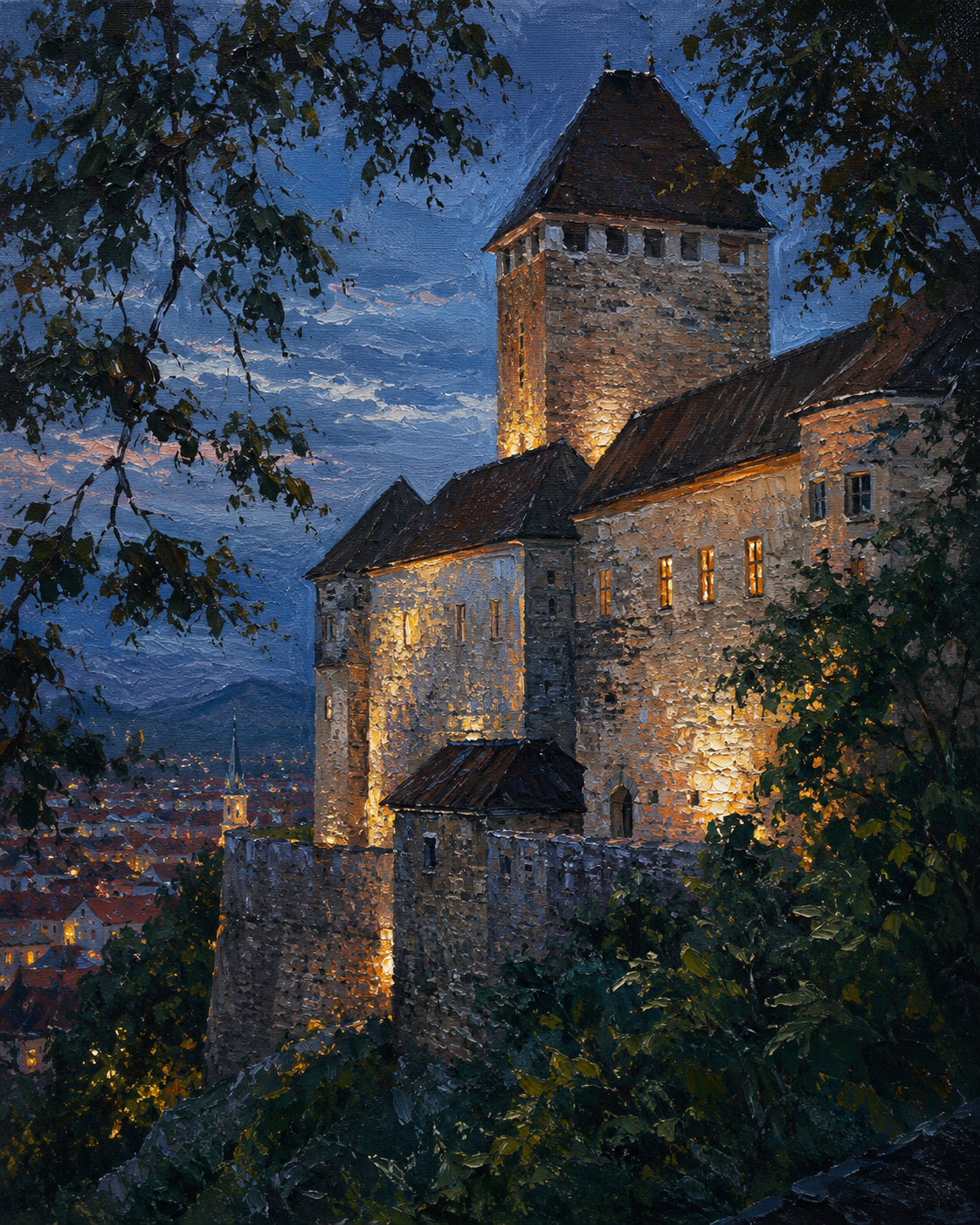
The Sentinel in Golden Light
Critique
1. Introduction This oil painting depicts a majestic medieval fortress perched on a rocky eminence, overlooking a sprawling city as twilight descends. The artwork is characterized by an impressionistic style, utilizing a heavy impasto technique that lends a tactile and dynamic quality to the surface. This piece effectively captures the dramatic transition between day and night, emphasizing the timeless presence of the historic structure against a changing sky. 2. Description The central focus is the illuminated stone facade of the castle, which glows with a warm, golden light against the darkening surroundings. A massive square tower rises above the main body of the fortress, its textured stone walls rendered with thick, visible brushstrokes. In the background, the distant city is a tapestry of twinkling orange lights and dark rooftops, while the deep indigo sky is streaked with the last remnants of sunset. Dark, silhouetted foliage frames the composition in the foreground. 3. Analysis The artist employs a striking contrast between the warm, luminous tones of the castle and the cool, saturated blues of the evening sky. This chiaroscuro effect creates a powerful sense of volume and drama. The composition is vertically oriented, reinforcing the imposing height and defensive nature of the castle. The thick application of paint adds a rhythmic energy to the work, with each brushstroke contributing to the overall sense of ruggedness and historical weight. 4. Interpretation and Evaluation The painting evokes a sense of romantic mystery and the enduring strength of the past. The castle serves as a silent sentinel, watching over the modern city below, creating a dialogue between different eras. The technical execution is highly successful, as the impasto technique avoids becoming cluttered, instead providing a rich textural experience that complements the subject matter. The balance of atmospheric light and solid form is handled with a sophisticated understanding of mood and perspective. 5. Conclusion In summary, this work is a compelling example of how traditional architectural subjects can be revitalized through expressive brushwork and dramatic lighting. The initial impression of a grand fortress is enhanced by the vibrant, physical presence of the paint itself. The artwork invites the viewer to contemplate the intersection of history, light, and the enduring landscape, leaving a lasting impression of majesty and quiet contemplation.
Same Subcategory
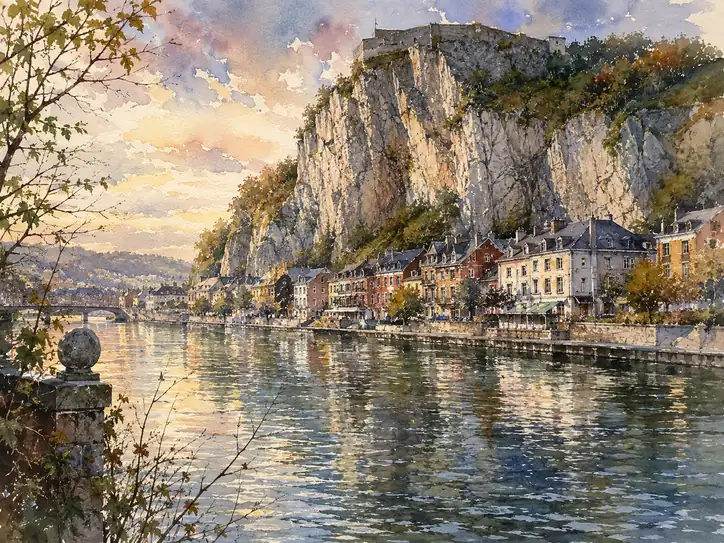 The Rock’s Eternal Embrace
Similar Artworks
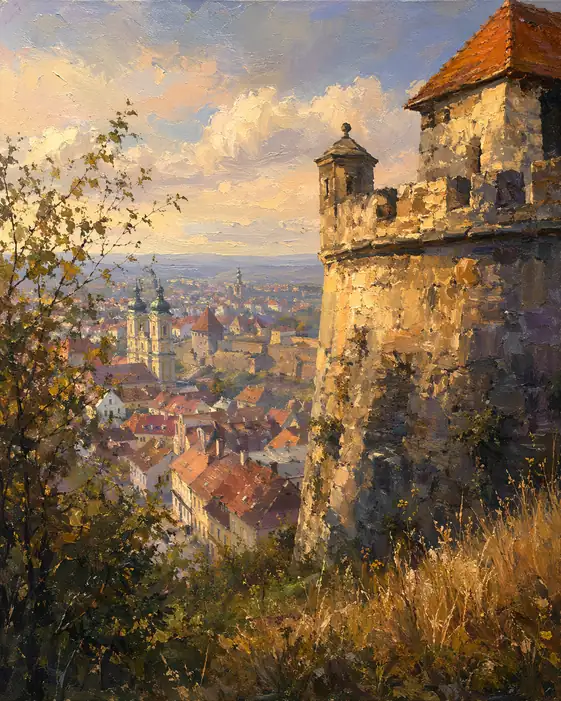 The Golden Fortress: Time and Light
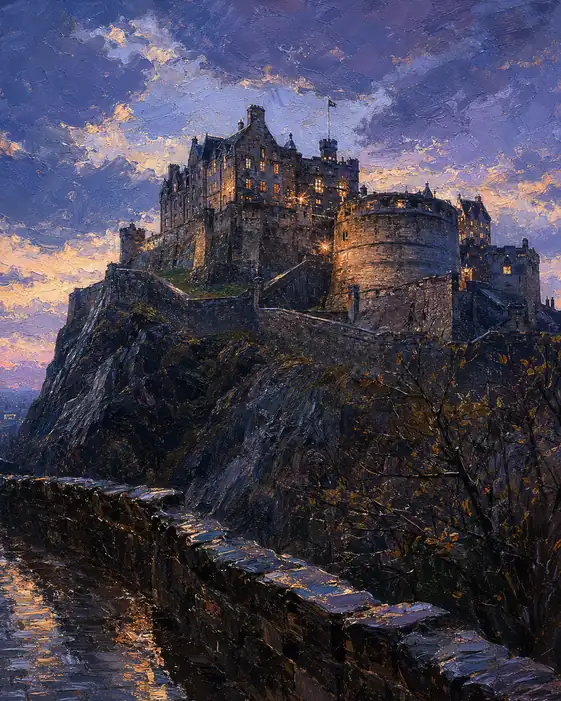 The Last Light of the Citadel
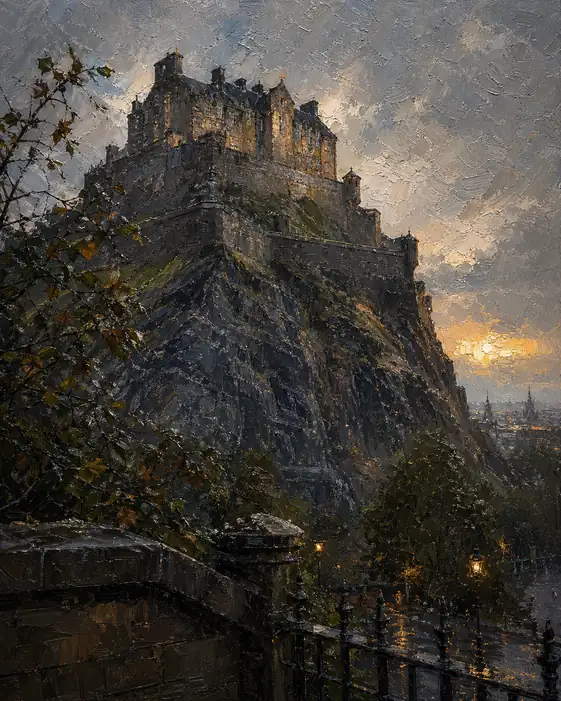 The Golden Keep Amidst Rugged Slopes
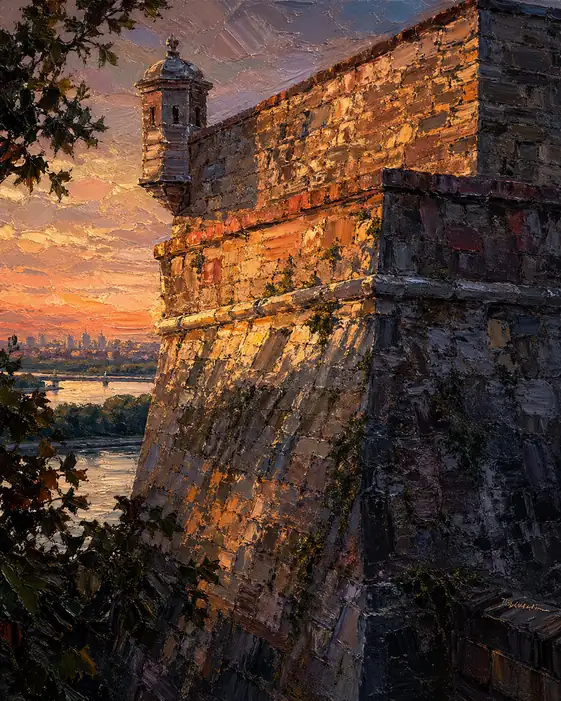 Eternal Witness in Golden Light
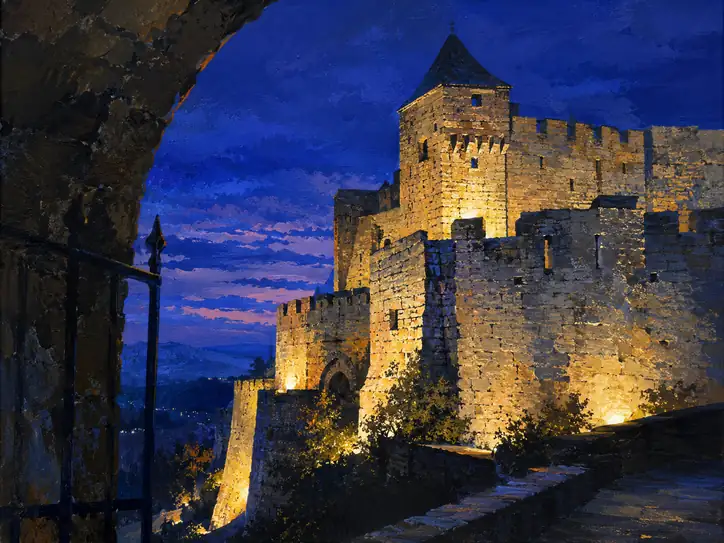 The Fortress of Eternal Dreams
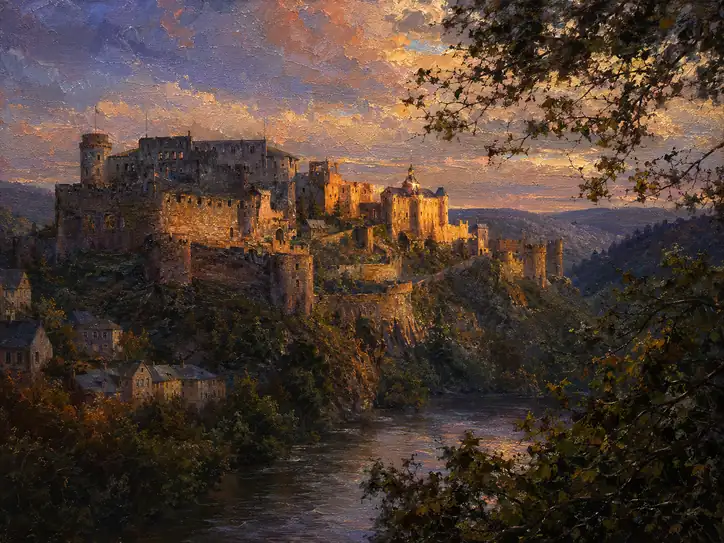 Guardians of the Crimson Sunset
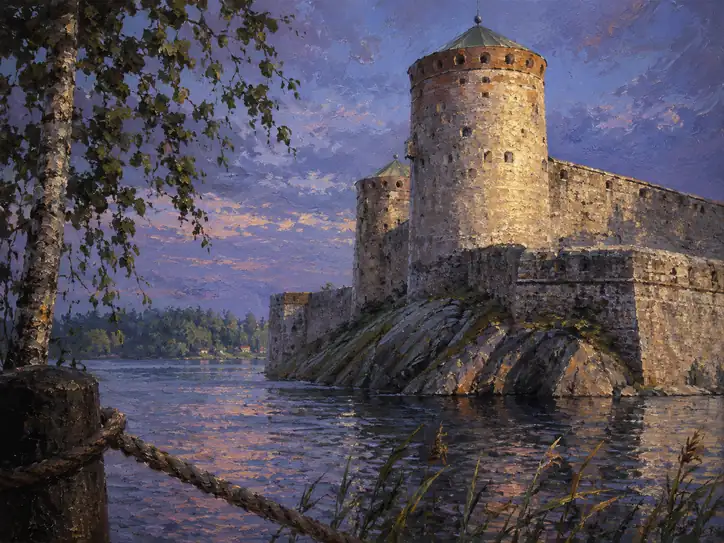 Sentinel of the Eternal Afterglow
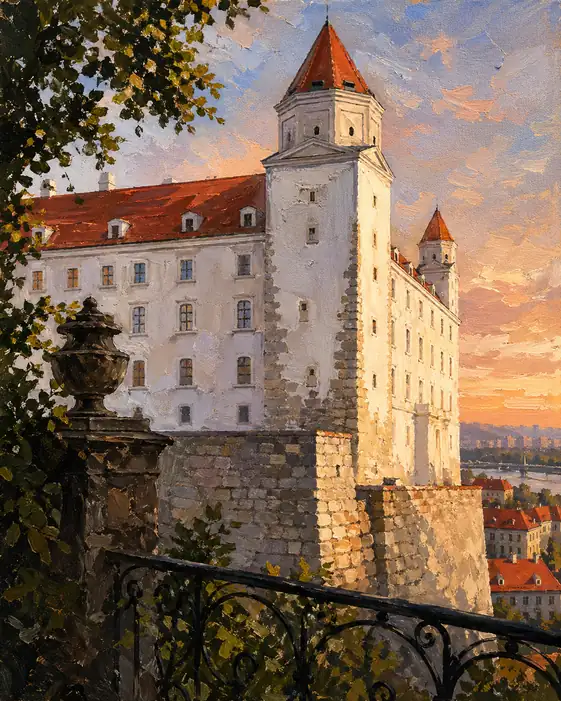 Twilight's Embrace on the Castle Walls
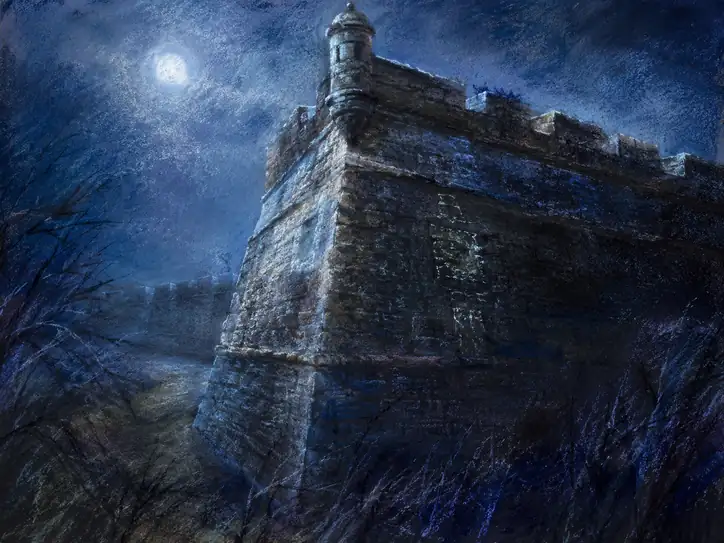 Sentinel of the Midnight Sky
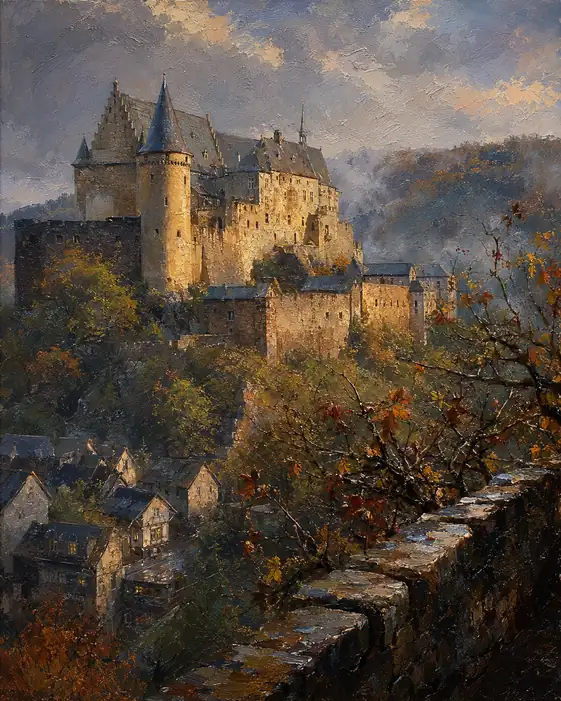 Guardian of the Golden Hour