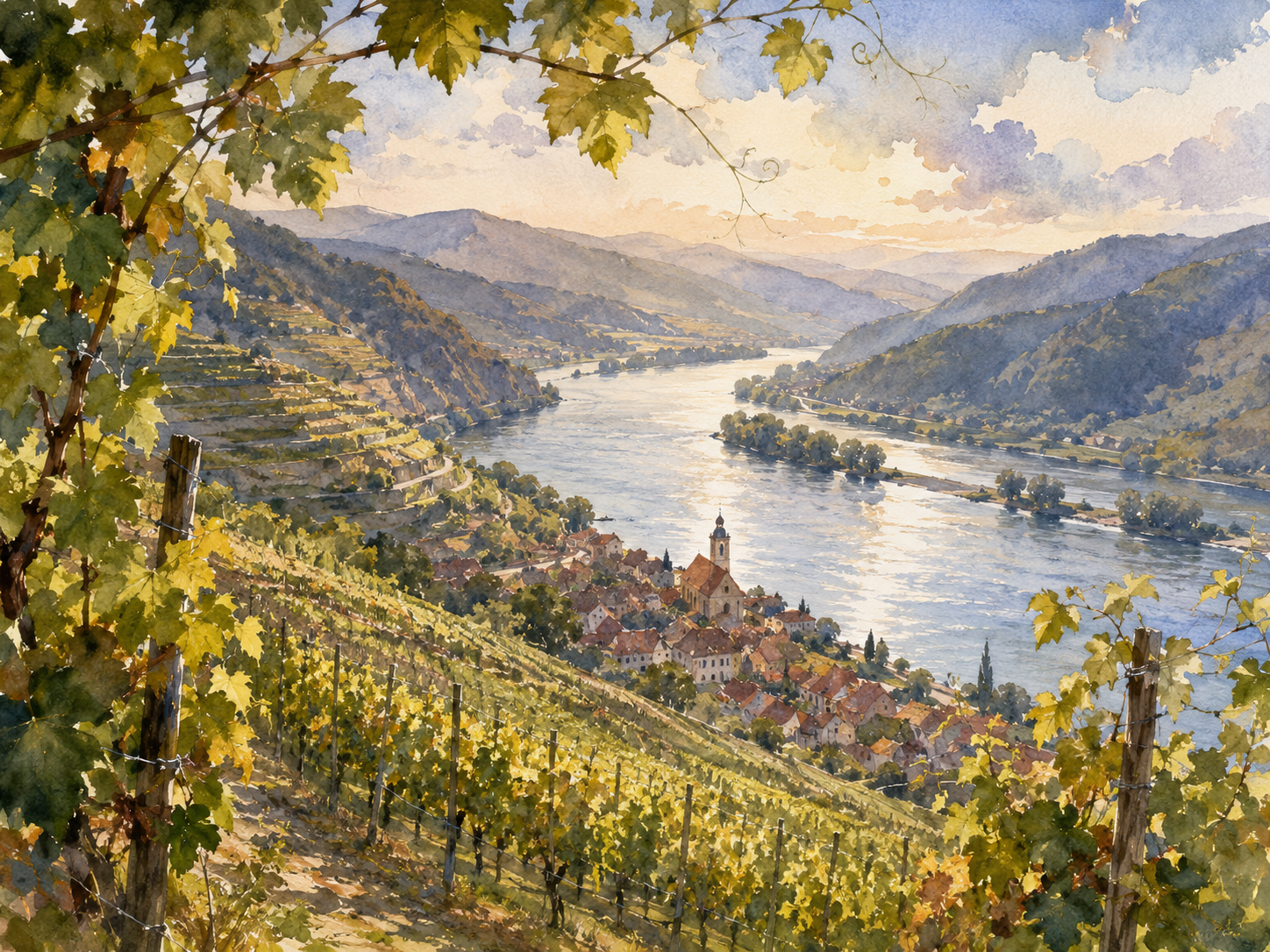
Whispers of the Sunlit Valley
Critique
1. Introduction This watercolor painting captures a sprawling river valley characterized by lush, terraced vineyards and a historic town nestled along the banks. The perspective is set from an elevated vantage point, framing the scene with grapevine leaves in the foreground that lead the viewer's eye toward the distant, rolling mountains. A warm, golden light permeates the entire composition, creating a serene atmosphere where natural grandeur and human settlement coexist in perfect harmony. Through classical watercolor techniques, the artist successfully evokes the specific mood of a quiet, sunlit day in a region shaped by Viticulture. 2. Description The center of the composition is dominated by a wide, winding river that reflects the pale sky with silvery highlights. On the left slope, meticulously detailed stone-walled terraces support rows of grapevines, while a small village with red-tiled roofs and a prominent church spire sits at the foot of the hills. In the immediate foreground, dark wooden posts and vibrant green leaves frame the view, adding a sense of proximity and scale. The background features layers of distant hills rendered in soft blues and purples, utilizing atmospheric perspective to suggest vast geographical depth under a sky filled with soft, glowing clouds. 3. Analysis Technically, the painting employs a dynamic diagonal composition that draws the eye from the foreground greenery along the river's curve into the distance. The contrast between the sharp details of the nearest foliage and the blurred, hazy mountains creates a profound sense of three-dimensional space. The transparency of the watercolor medium is expertly used to depict the shimmering water and the delicate textures of the sky. A balanced color palette of warm yellows, earthy greens, and cool blues provides visual stability, while the rhythmic pattern of the vineyard terraces adds a structural element that anchors the organic forms of the landscape. 4. Interpretation and Evaluation The work serves as a testament to the enduring relationship between humans and the environment, celebrating the cultural landscape created by centuries of viticulture. The play of light suggests a moment of transition, such as late afternoon, which imbues the scene with a reflective, almost nostalgic quality. The artist's technical proficiency is evident in the precise handling of the town’s architecture and the fluid washes used for the water. While the piece adheres strictly to traditional landscape conventions, its excellence lies in its balanced composition and the evocative power of its color harmony, making it a highly accomplished visual record. 5. Conclusion Initial impressions of a classic landscape are deepened by a closer look at the subtle interplay of light and atmosphere across the valley. The integration of the river, the terraces, and the village forms a cohesive narrative of a lived-in, respected environment. Ultimately, the painting stands as a dignified and masterful celebration of geographical beauty and the quiet persistence of rural life.
Same Subcategory
 The Silent Watch of the Highland Mist
 Cradled by the Crimson Giants
Similar Artworks
 Golden Verse of the River Valley
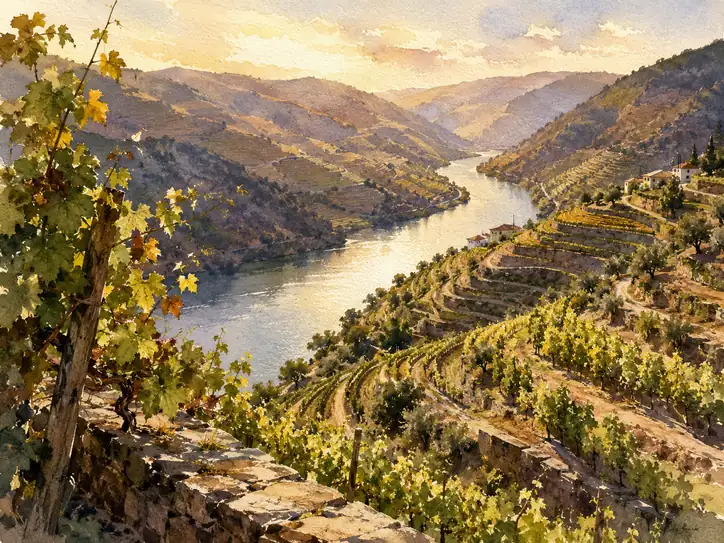 Hymn of the Golden Slopes
 Serenity of the Hidden Utopia
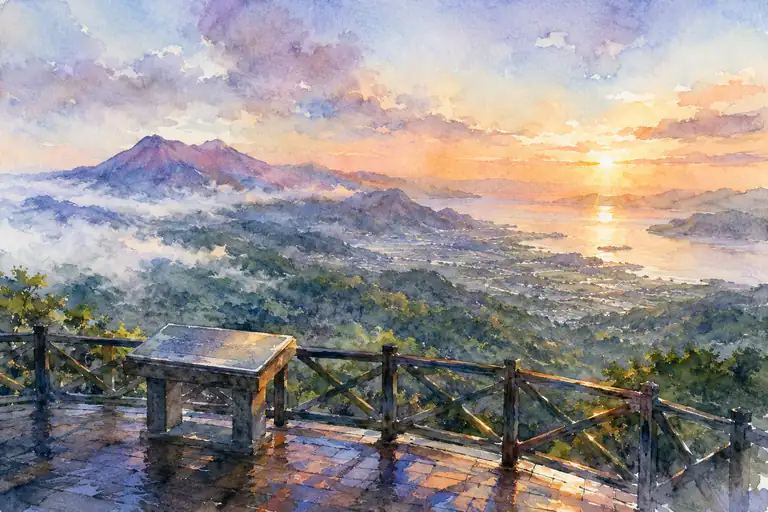 Awakening of the Golden Valley
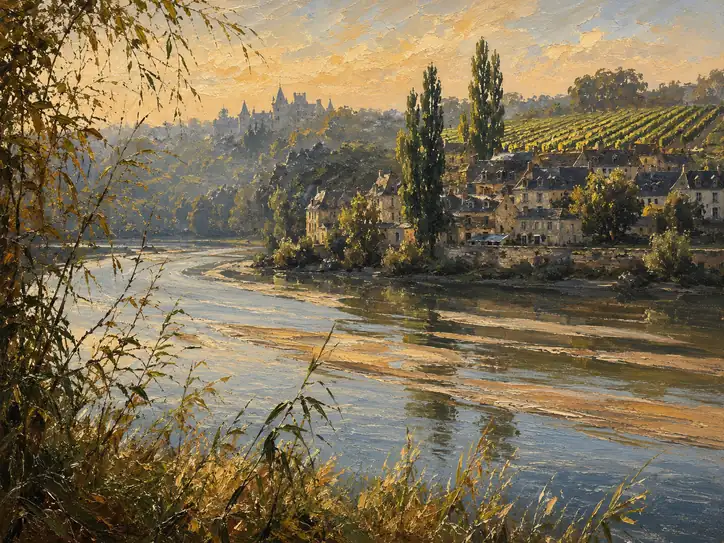 The River's Longing for Gold
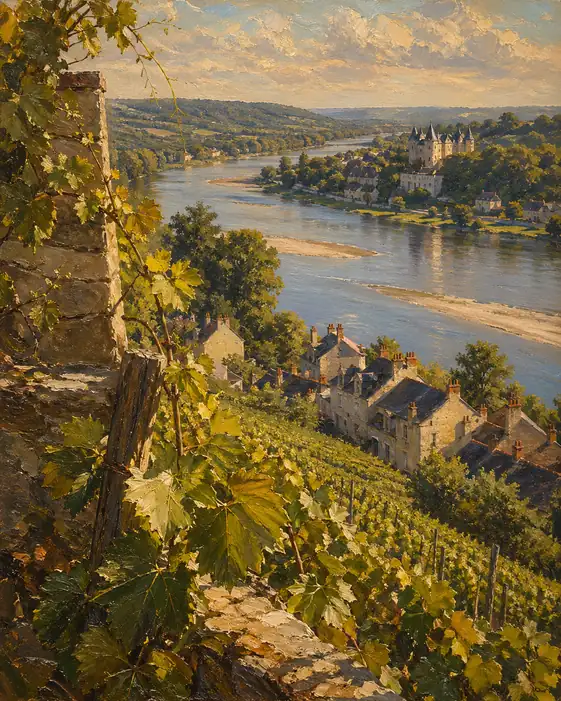 Where the Golden Light Whispers
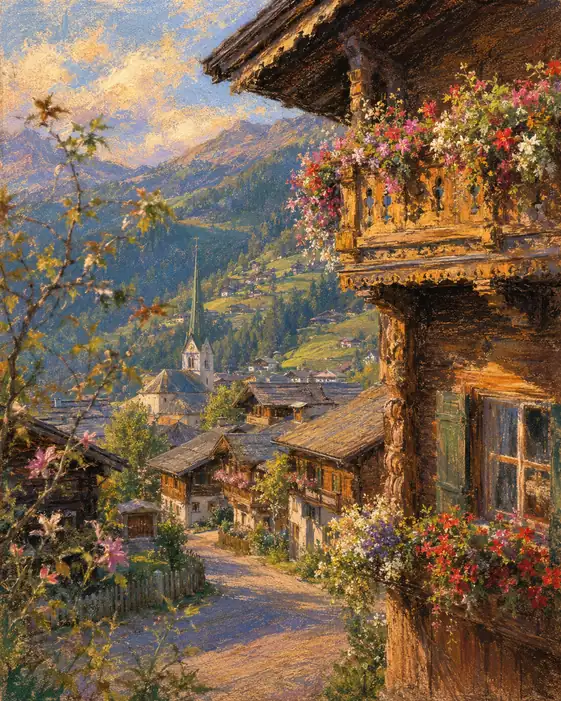 Basking in the Alpine Glow
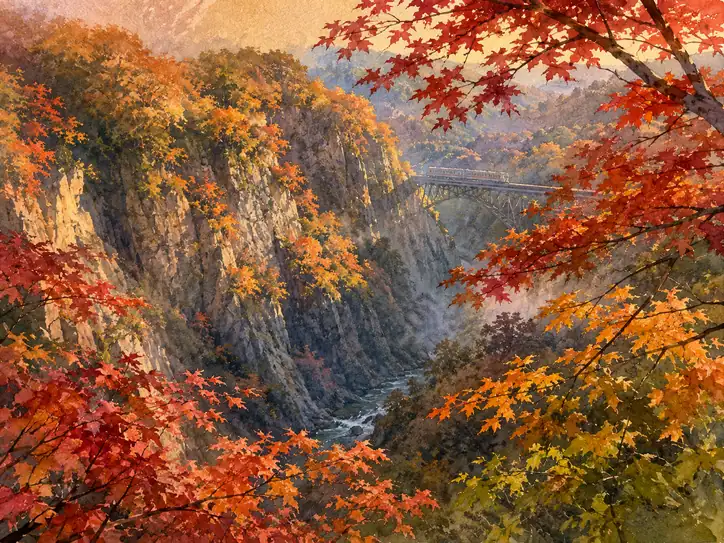 Autumn Echoes over the Iron Bridge
 A Glorious Sunset Casting Gold Over a Historic Castle and Vineyards
 Bountiful Harmony of the Grape Harvest