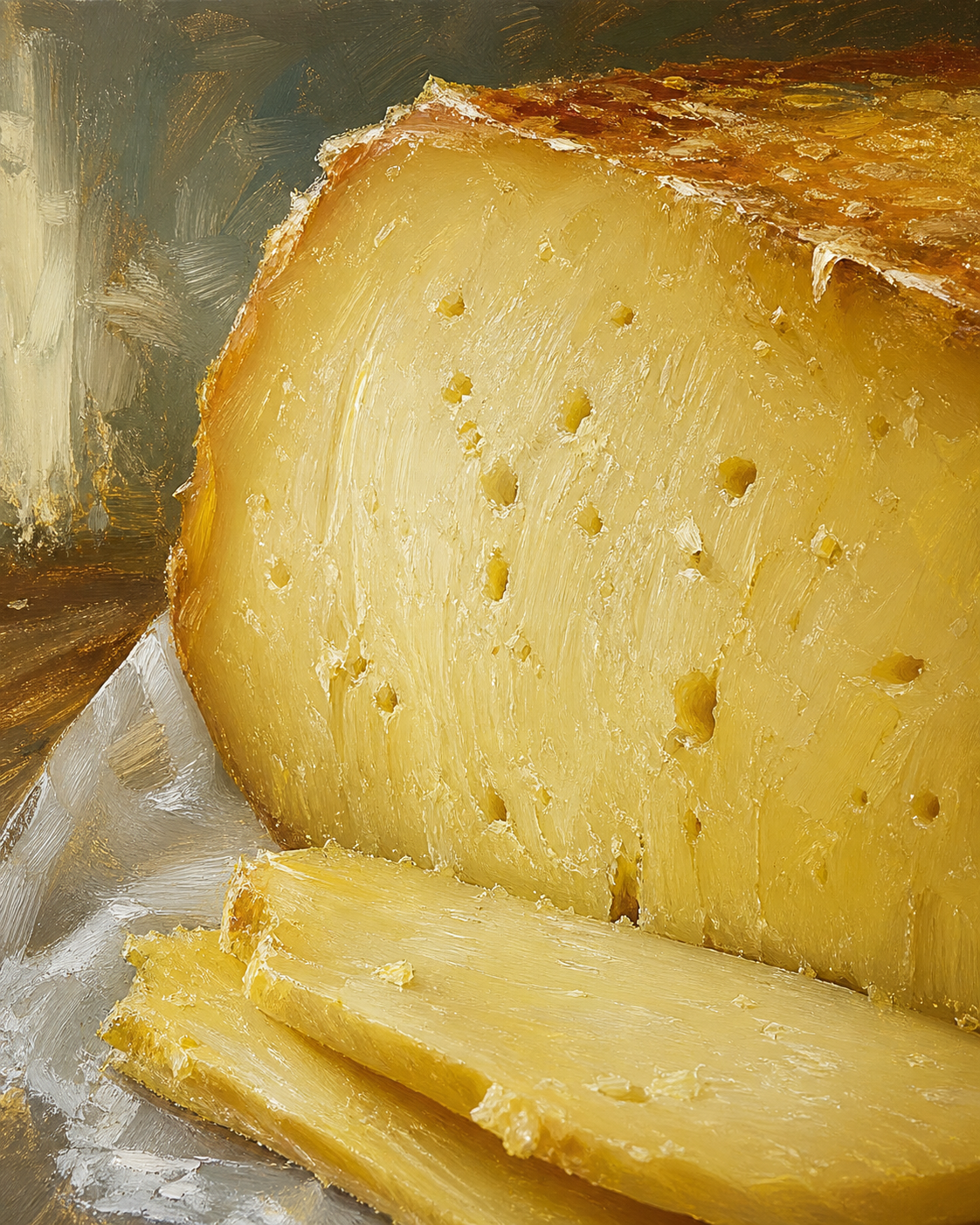
Golden Monolith of the Hearth
Critique
1. Introduction This oil painting focuses on a singular, humble subject—a large wedge of aged cheese—rendered with a powerful emphasis on texture and materiality. Utilizing a heavy impasto technique, the artist transforms a simple food item into a monumental presence that engages the viewer's sense of touch as much as their sight. The work stands as a testament to the beauty found in ordinary objects, elevating the mundane through a rigorous application of paint and a keen observation of light and form. 2. Description The composition is dominated by a substantial, golden-yellow block of cheese, positioned prominently against a dark, gestural background. Several thin slices have been cut from the main body and are layered in the lower foreground, showcasing the internal texture and color consistency. The outer rind is depicted with rugged, darker tones, suggesting an aged or artisanal quality. Thick ridges of paint follow the contours of the cheese, creating a topographical map of the surface that catches the light in varied ways. 3. Analysis Technical mastery is evident in the strategic use of the impasto method, where the physical thickness of the oil paint mimics the dense, waxy consistency of the cheese itself. The lighting appears to originate from the upper left, casting subtle shadows within the small holes and crevices of the cheese’s interior. The color palette is restricted yet effective, relying on a range of ochres, cadmiums, and umbers to establish a sense of warmth and authenticity. The background’s broad, energetic brushstrokes provide a neutral contrast that pushes the main subject forward. 4. Interpretation and Evaluation Beyond its literal representation, the painting explores the relationship between artistic medium and physical substance. By aligning the viscous nature of oil paint with the fatty, solid texture of cheese, the artist achieves a sensory synthesis that is both rare and compelling. The work is evaluated highly for its original approach to a traditional still-life subject and its exceptional handling of three-dimensional form on a flat surface. It captures the essence of artisanal craftsmanship, reflecting a deep respect for both the culinary and painterly arts. 5. Conclusion This painting successfully captures the tactile allure of its subject through a bold and confident application of technique. Its focus on the interplay between light and thick pigment results in a work that is visually striking and physically evocative. Ultimately, the piece serves as a reminder that even the most common objects can become extraordinary when viewed through a lens of focused artistic inquiry. The final impression is one of rustic elegance and enduring solidity.
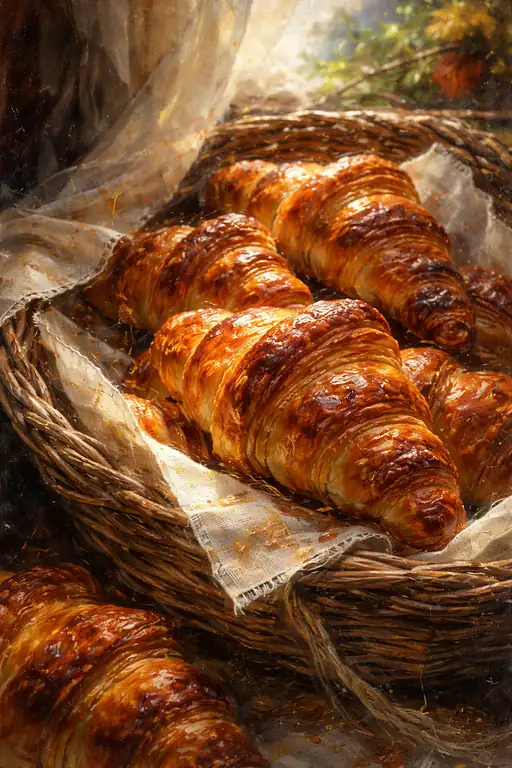 Awakening with Fresh Pastries
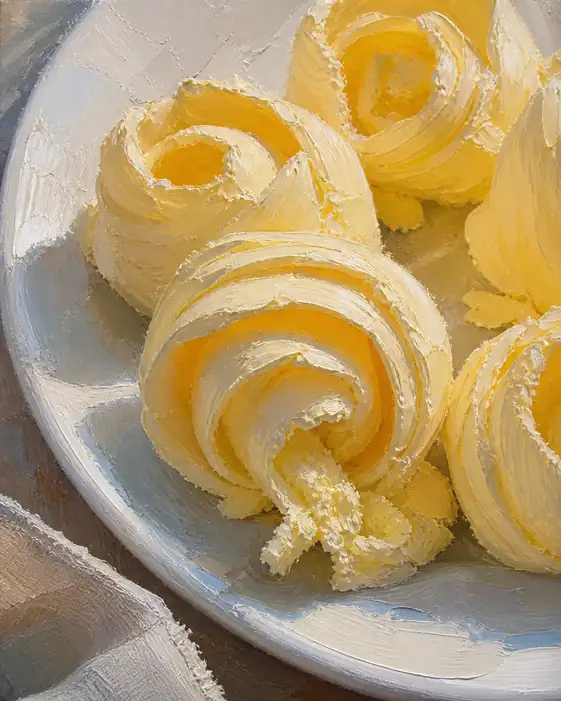 Creamy Roses of the Morning Light
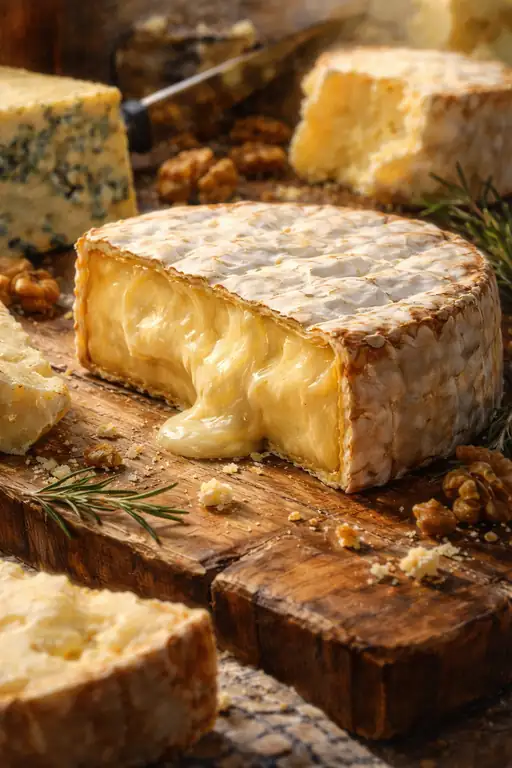 Golden Heart Unbound
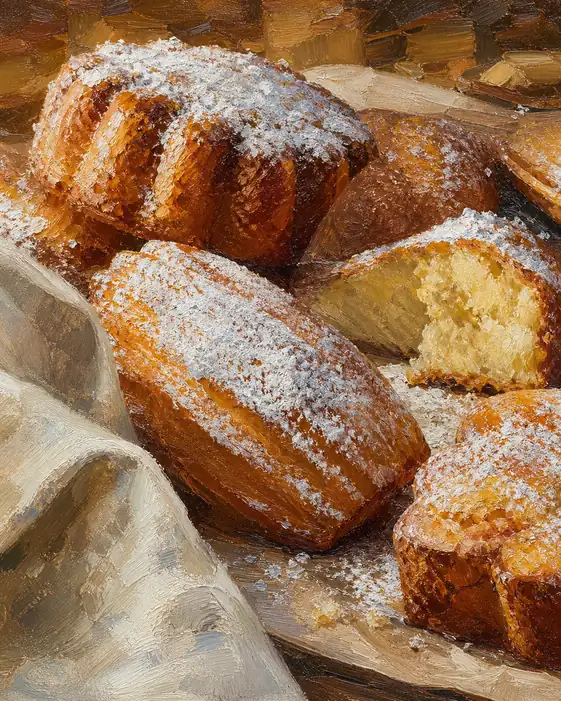 Benediction of the Golden Crust
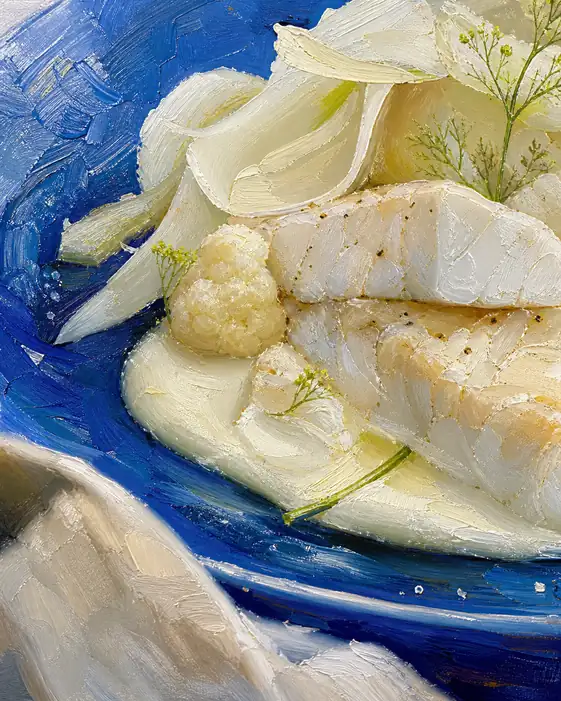 Azure Harmony of the Morning Catch
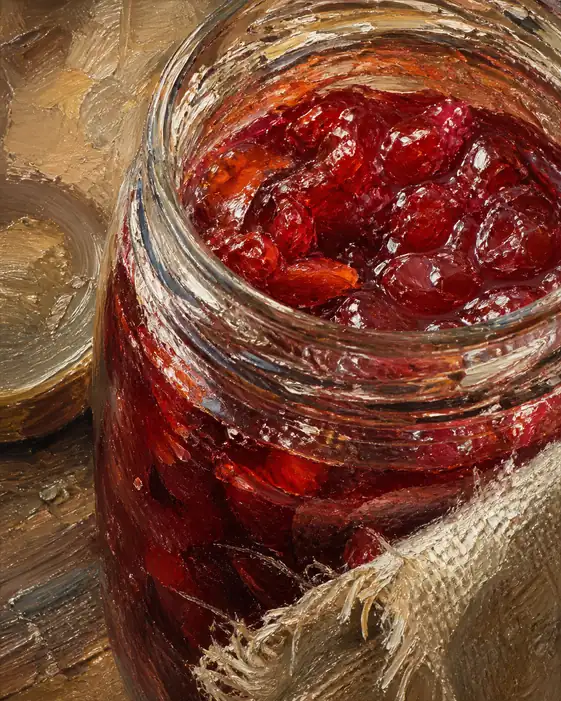 Glow of Preserved Summer
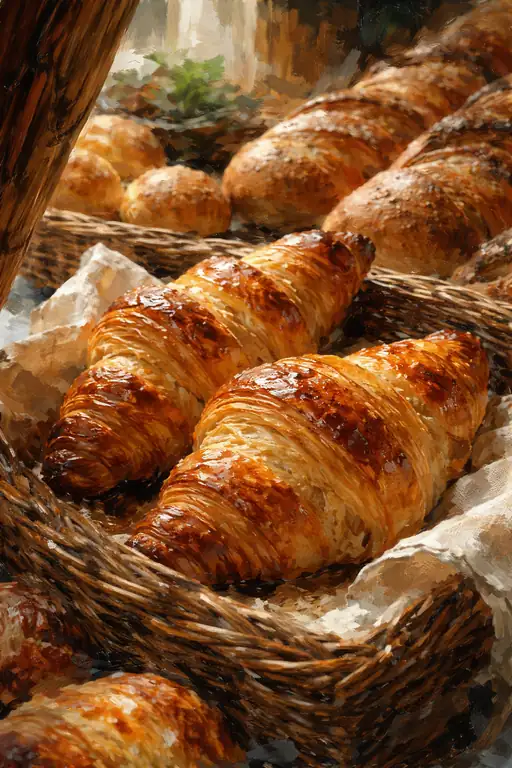 Golden Warmth of the Morning
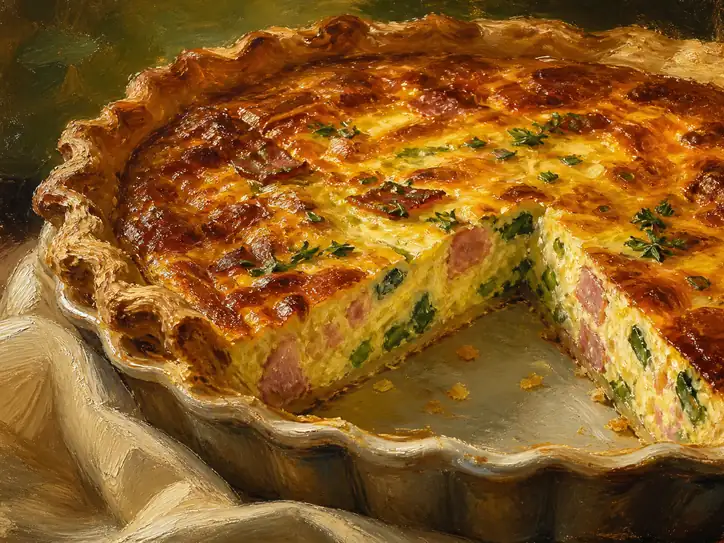 Eternal Warmth on a White Plate
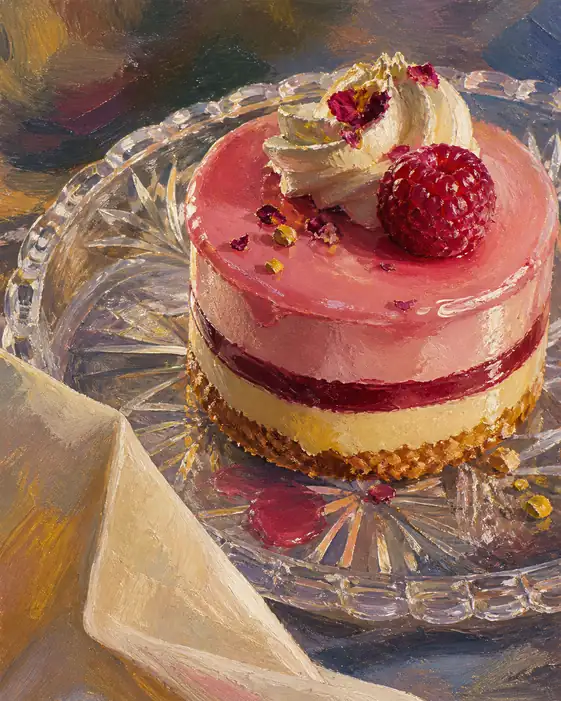 Raspberry Velvet Symphony
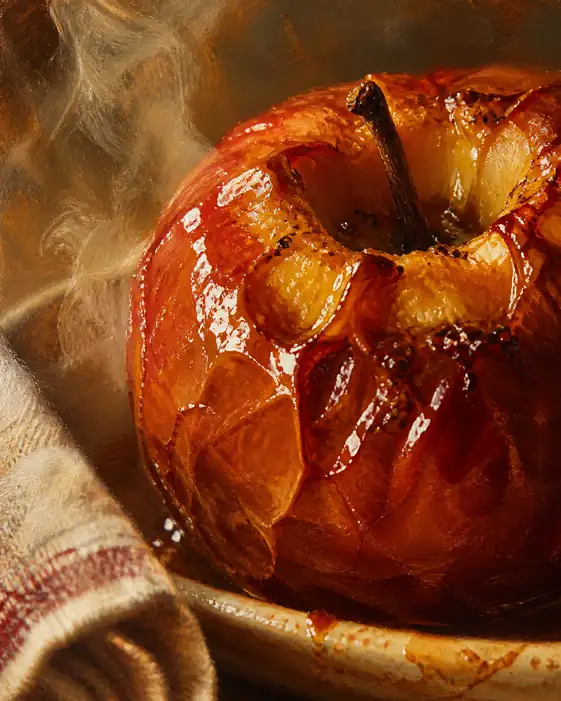 Ascending Breath of the Hearth