Benediction of the Golden Crust
Critique
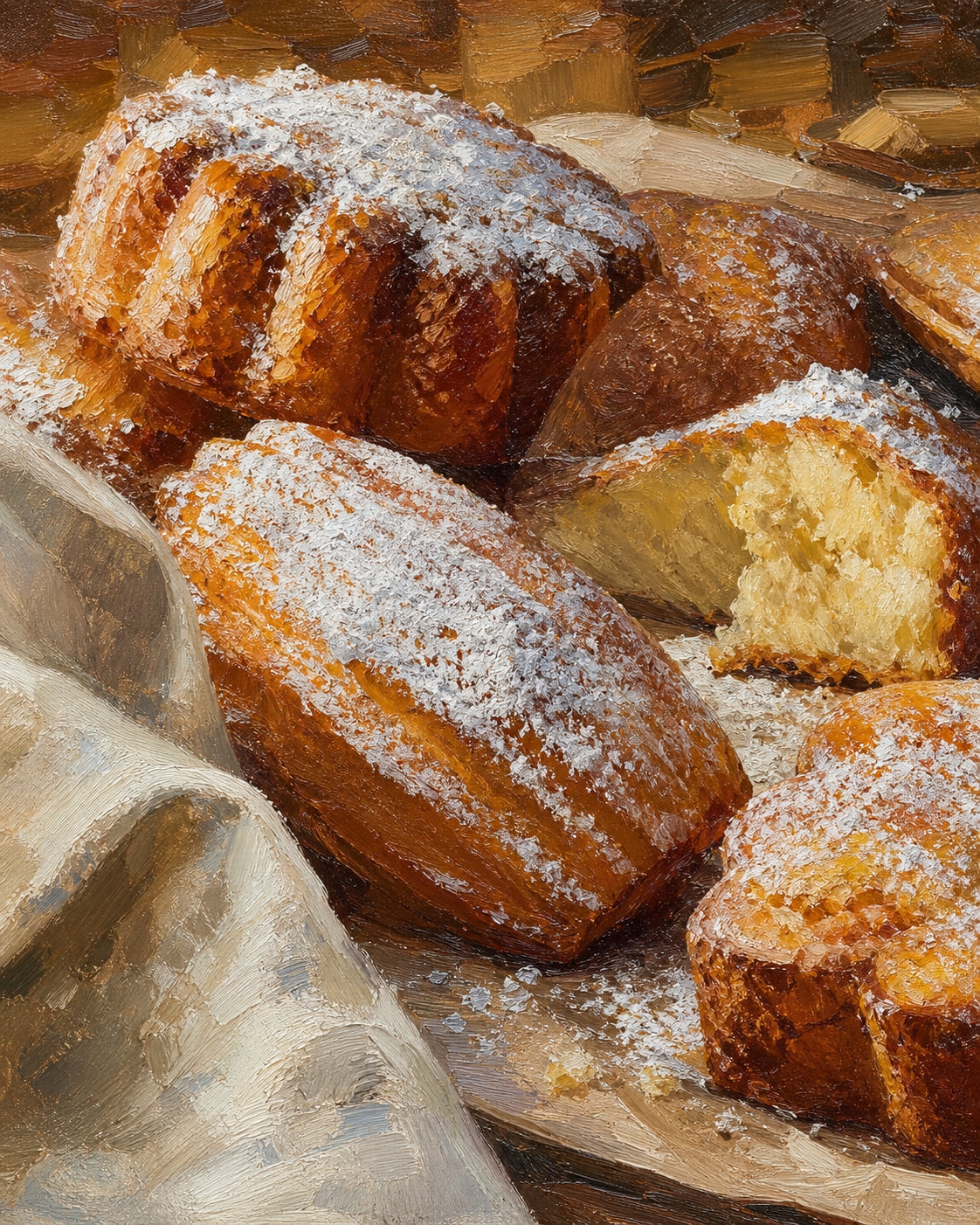
1. Introduction This oil painting presents a rich and highly tactile study of various baked cakes, emphasizing the physical presence and sensory appeal of food. Through a concentrated focus on texture and warm lighting, the work elevates a selection of common pastries to a level of formal artistic inquiry. The painting utilizes a specialized application of oil paint to explore the interplay between the solid forms of the baked goods and the delicate surface of powdered sugar. 2. Description The composition features an assortment of golden-brown cakes, including a fluted bundt-style cake and a long, shell-like madeleine, arranged on a rustic wooden surface. Each pastry is generously dusted with fine white powdered sugar, which appears as crystalline highlights against the warm crusts. One cake has been sliced open, revealing its soft, porous interior. A folded, cream-colored linen cloth occupies the lower-left foreground, while the background consists of dark, earthy tones that provide a strong tonal contrast. 3. Analysis The artist employs a vigorous impasto technique, characterized by short, rhythmic brushstrokes that create a dense and sculptural surface. This method is particularly effective in rendering the uneven, toasted crusts of the cakes and the grainy texture of the sugar. The color palette is dominated by a range of ochres, siennas, and golden yellows, which evoke a sense of warmth and freshness. The directional lighting from the upper left creates deep shadows and bright highlights, emphasizing the three-dimensional volume of each pastry. 4. Interpretation and Evaluation The work can be interpreted as a celebration of the craftsmanship of baking and the simple pleasures of domestic life. The technical execution is exceptional, particularly in how the artist manages to convey the distinct textures of the dry sugar, the oily crust, and the soft interior crumb. There is a palpable sense of weight and substance to the subjects, which is enhanced by the expressive use of the medium. The composition feels spontaneous yet balanced, capturing a sense of abundance and warmth. 5. Conclusion While the viewer is initially drawn to the familiar and appetizing subject matter, the experience evolves into an appreciation for the artist’s expressive brushwork and mastery of light. The painting succeeds in transforming a humble collection of cakes into a compelling exploration of material and form. Ultimately, the work serves as a testament to the artist's ability to find significant visual interest in the textures and colors of everyday life.
 Crystals of Summer Silence
 Ascending Breath of the Hearth
 Golden Monolith of the Hearth
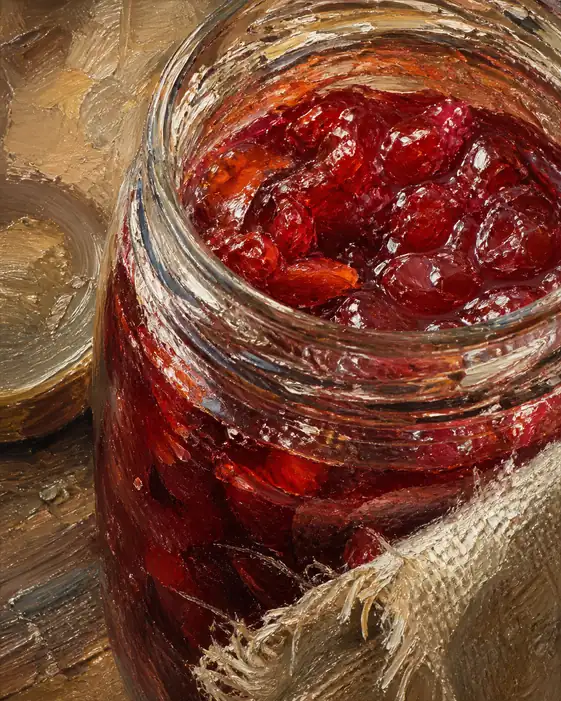 Glow of Preserved Summer
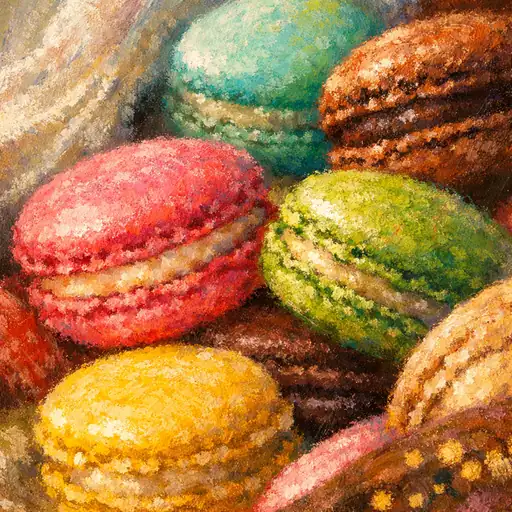 Rhapsody of Colorful Sweetness
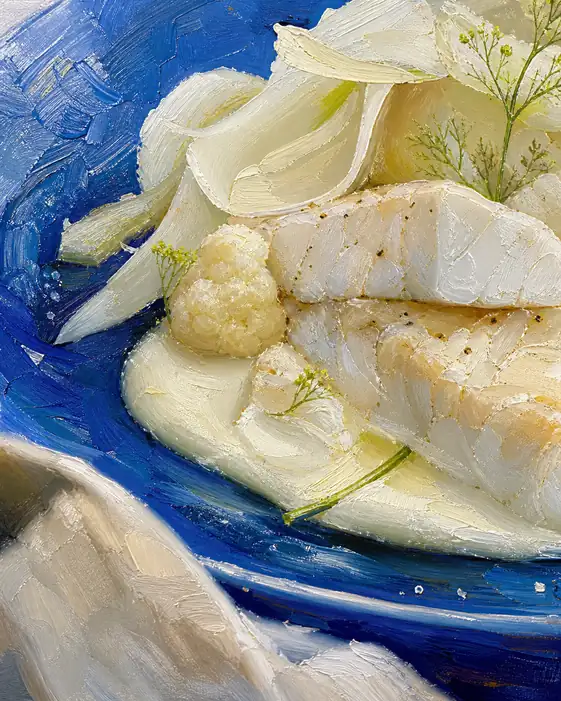 Azure Harmony of the Morning Catch
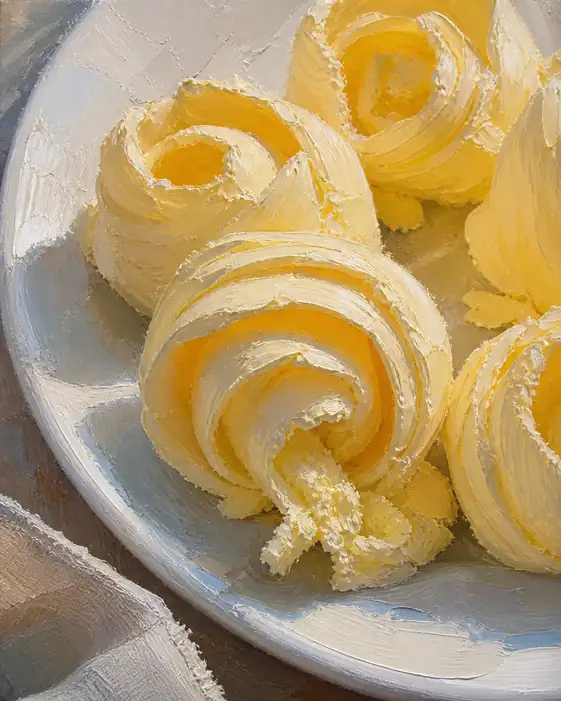 Creamy Roses of the Morning Light
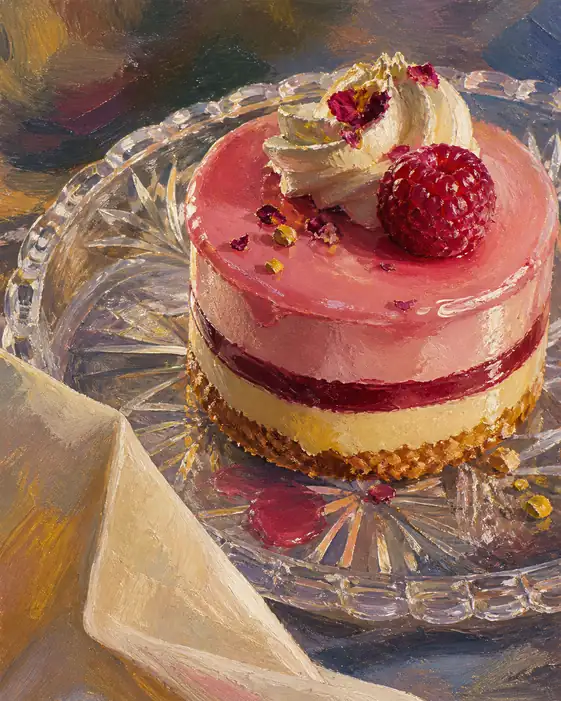 Raspberry Velvet Symphony
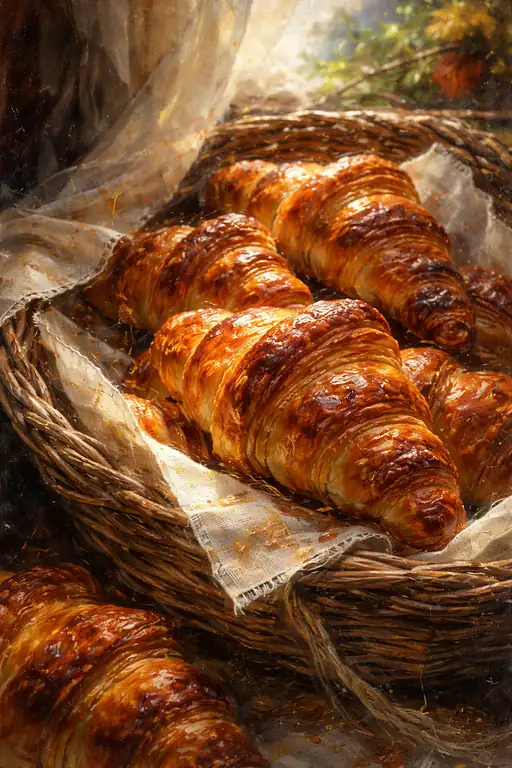 Awakening with Fresh Pastries
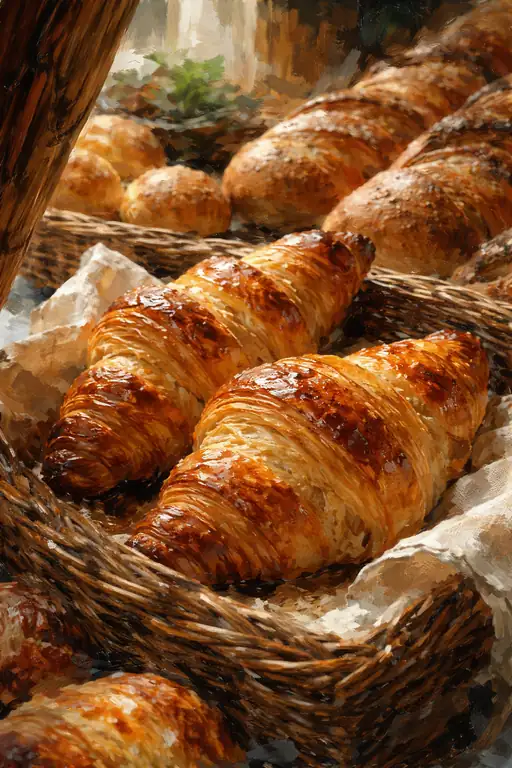 Golden Warmth of the Morning
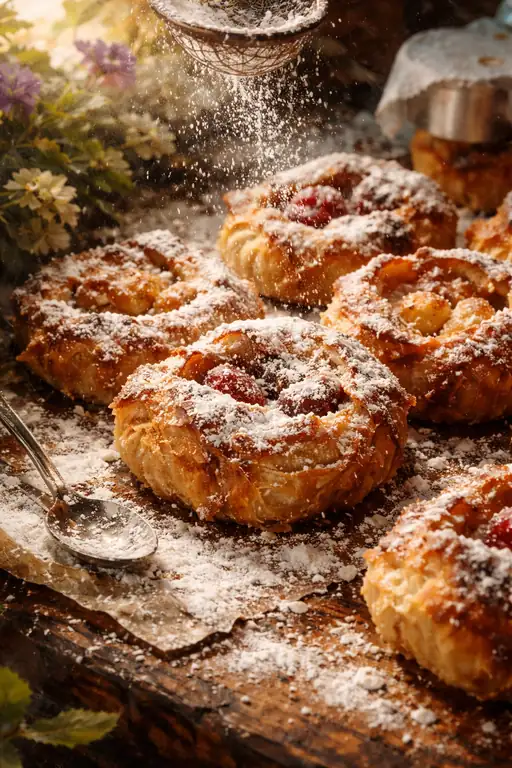 A Veil of Sweetness