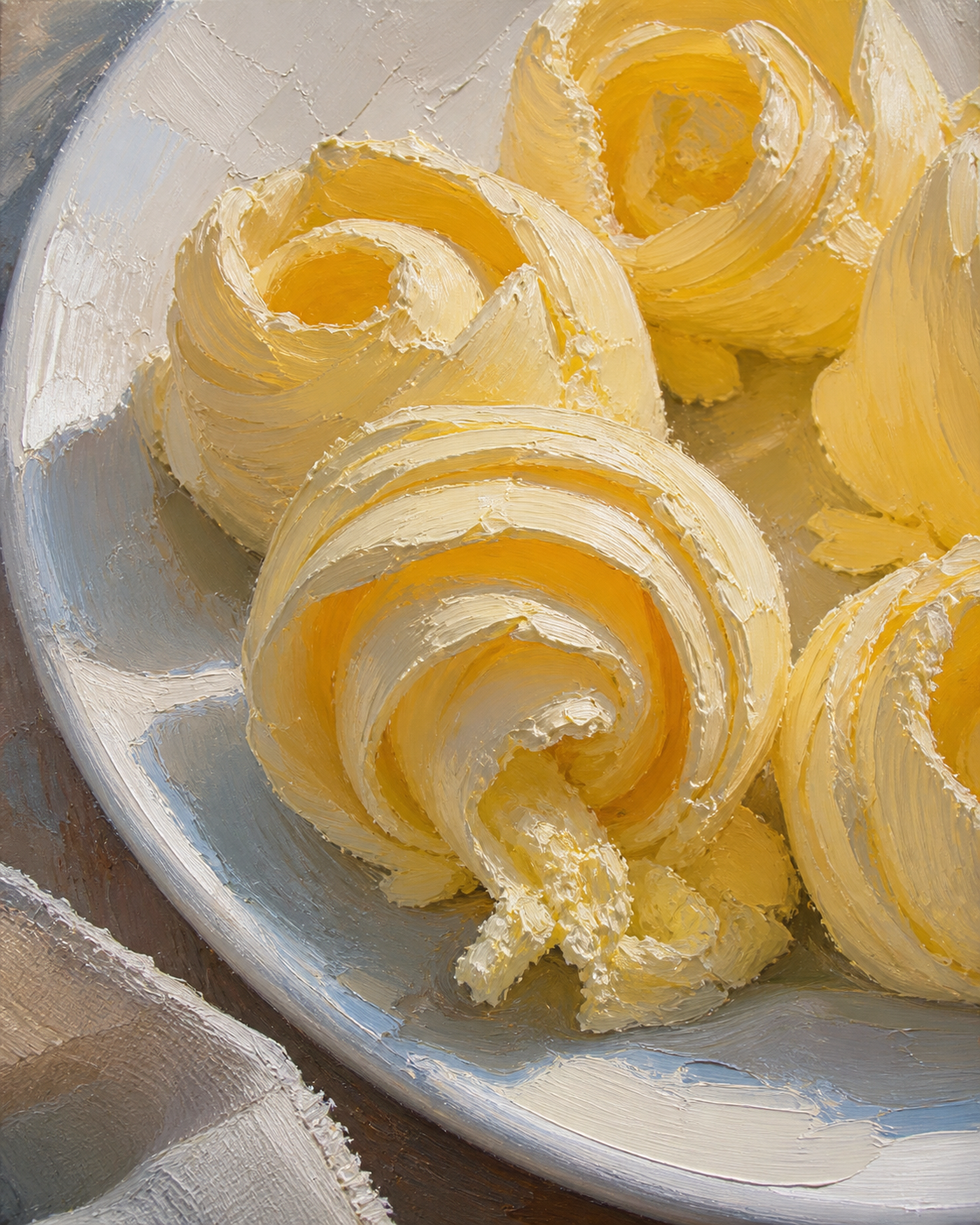
Creamy Roses of the Morning Light
Critique
1. Introduction This still life painting presents an intimate study of butter curls arranged on a white ceramic plate. The work captures a momentary culinary detail, elevating a simple ingredient to the status of a formal artistic subject. Through a focused composition and a specialized application of oil paint, the piece invites viewers to observe the aesthetic properties of an everyday object from a new perspective. 2. Description The composition features several pale yellow butter curls that resemble delicate floral forms or rose petals. Each curl exhibits a distinct spiral structure with jagged edges, suggesting the firm yet yielding nature of the material as it was shaped. The butter is set against a cool-toned white plate that fills the majority of the frame, showing subtle hints of crackle in the glaze. The lighting is soft and directional, originating from the upper left and casting gentle shadows across the plate. 3. Analysis The artist employs a heavy impasto technique that mirrors the physical consistency of the butter itself. Thick ridges of paint create a tactile surface that emphasizes the three-dimensional form of each curl. The color palette is dominated by various shades of cream and lemon yellow, balanced by the cool greys and pale blues of the plate. The tight framing focuses the viewer’s attention entirely on the interplay of light and shadow within the complex folds of the curls. 4. Interpretation and Evaluation This painting can be interpreted as an exploration of the sensory qualities of food and the beauty found in mundane domesticity. The technical execution is exceptional, particularly in how the artist manages to convey the specific translucency and oily sheen of butter. The choice of subject matter demonstrates an interest in the textures of daily life, while the composition maintains a sense of classical balance despite its modern close-up perspective. 5. Conclusion While the subject is initially recognized as a simple plate of butter, the viewer’s understanding evolves into an appreciation for the sculptural possibilities of common materials. The work effectively bridges the gap between culinary craft and fine art through its masterful use of texture and light. Ultimately, the painting stands as a testament to the artist's ability to find significant visual interest in the most understated corners of reality.
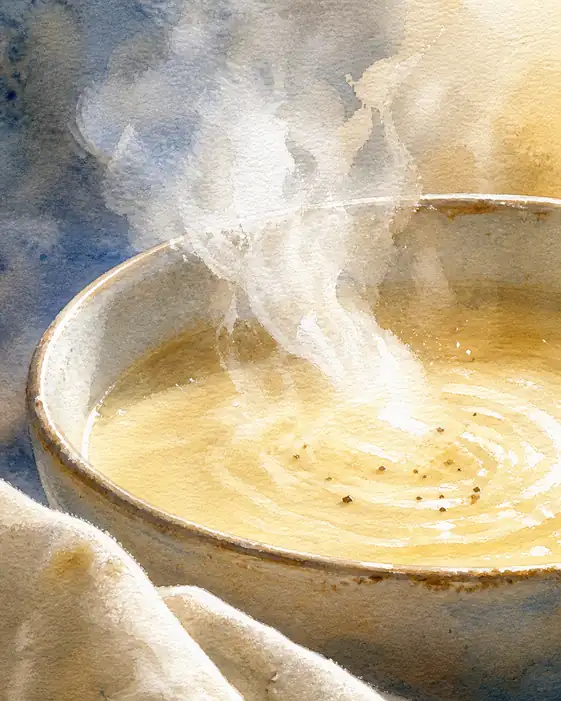 Golden Solace
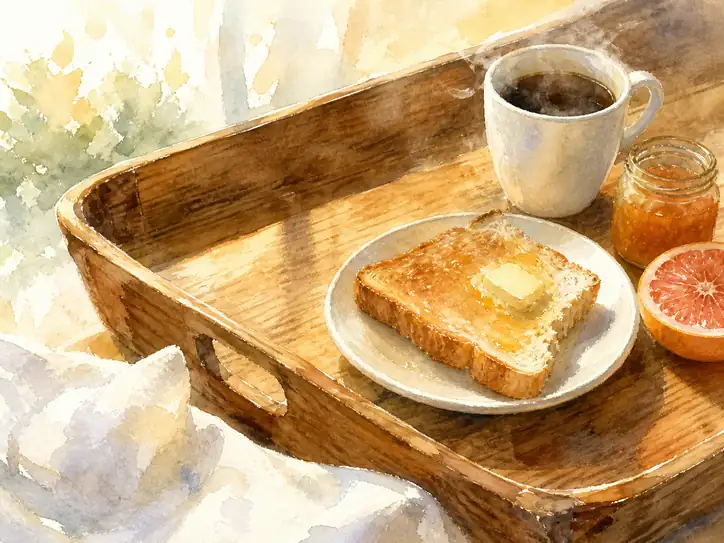 A Golden Prelude to the Day
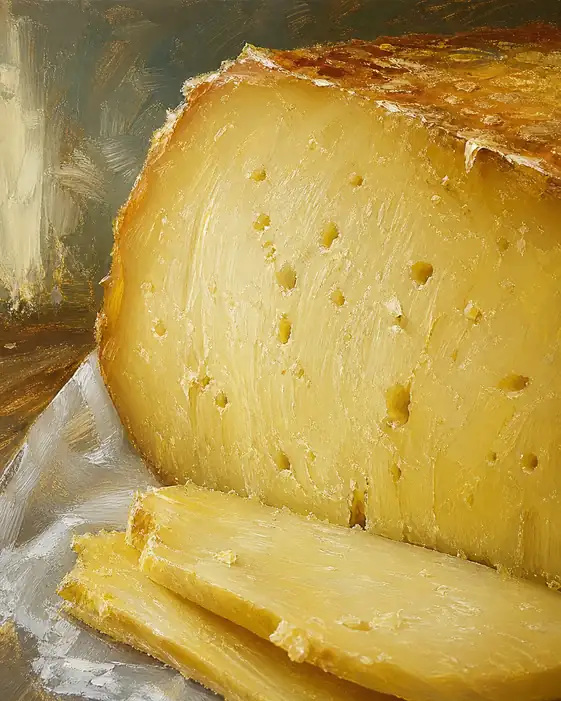 Golden Monolith of the Hearth
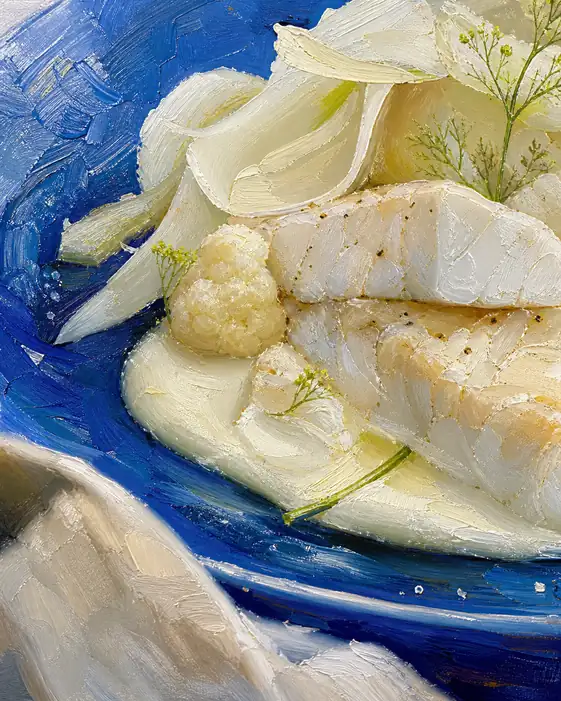 Azure Harmony of the Morning Catch
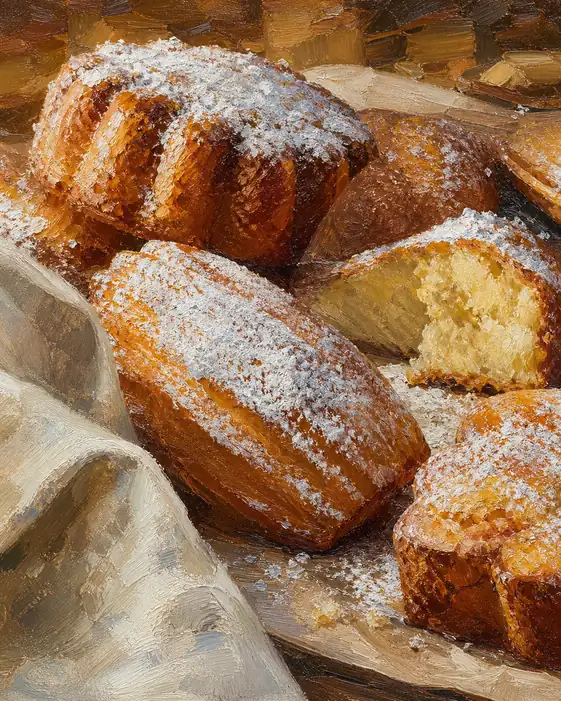 Benediction of the Golden Crust
 Golden Petals of Morning
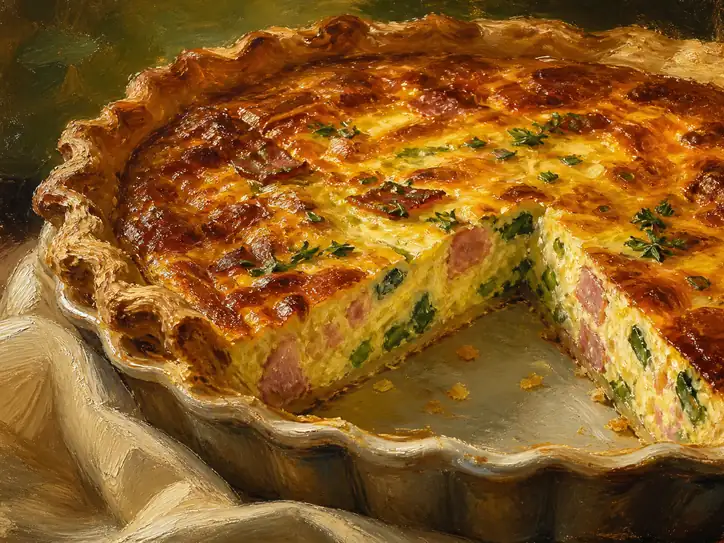 Eternal Warmth on a White Plate
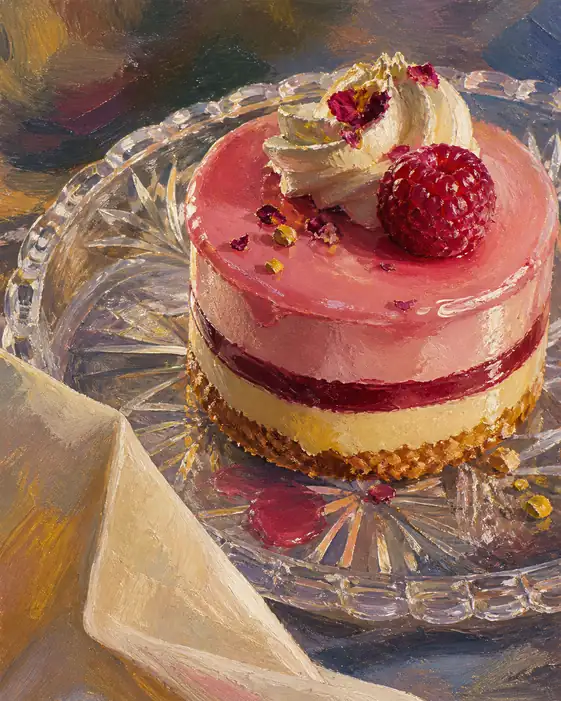 Raspberry Velvet Symphony
 Sun-Dappled Offering
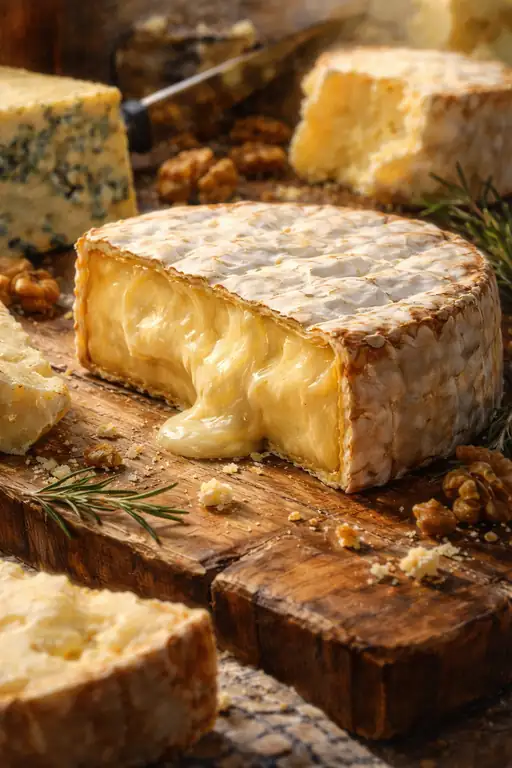 Golden Heart Unbound
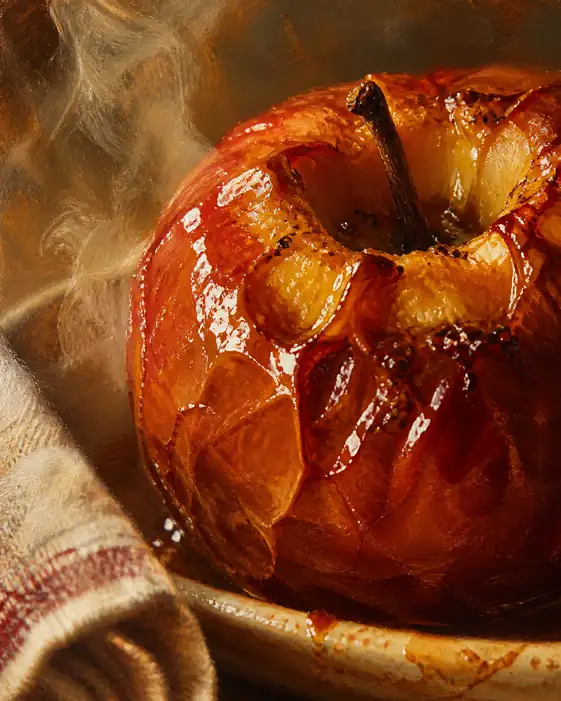 Ascending Breath of the Hearth